
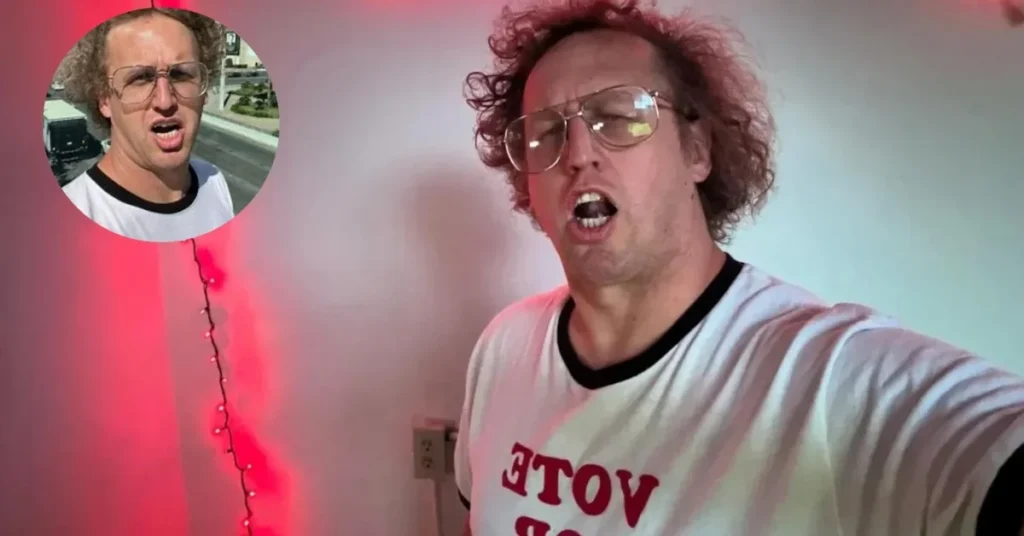
Patrick W. Cutler represents something rare in modern entertainment: a creator who built genuine wealth without studio backing, viral lottery wins, or celebrity connections. While most aspiring filmmakers struggle to break even on passion projects, Patrick transformed small-town creativity into an estimated net worth between $3 million and $5 million by 2025. His journey from VHS experiments in Montana to earning $40,000-$80,000 monthly proves that independent paths still work, if you’re willing to do everything yourself.
What makes Patrick’s financial success particularly interesting is how unsexy it actually is. There’s no overnight breakthrough moment, no single viral hit that changed everything. Instead, Patrick W Cutler net worth grew through compounding decisions, steady content production, and maintaining creative ownership when most creators would’ve signed away rights for quick cash. Born October 5, 1980 in Pittsburgh, Pennsylvania, he spent over two decades building skills that finally converged into sustainable income streams by his early 40s.
The Multi-Platform Business Model Behind the Numbers
Patrick earns money the way modern independent filmmakers must: everywhere. His primary income streams include film royalties from platforms like Tubi and Amazon Prime, where projects like Redgate (2021) continue generating passive revenue years after release. Streaming royalties form the foundation, what he calls “money that works while I sleep,” providing baseline income that supports riskier creative experiments.
Social media monetization adds substantial monthly cash flow. With 49,600+ YouTube subscribers and 1.3 million TikTok followers, ad revenue alone brings in estimated $15,000-$30,000 monthly. His comedy sketches, particularly the #BadNapoleon series that accumulated over 17 million views, attracted brand partnerships and sponsorship deals worth $10,000-$25,000 per campaign. Unlike influencers who chase every brand deal, Patrick selectively partners with companies that align with his audience, preserving authenticity that actually protects long-term earning potential.
Live performances and touring represent his newest revenue channel. Throughout 2024 and into 2025, Patrick launched comedy shows across Western states, charging $25-$45 per ticket. These events typically sell 200-400 seats, generating $5,000-$18,000 per show before expenses. The touring model does something crucial that digital content can’t: it creates real human connection with his audience while diversifying income beyond algorithm-dependent platforms.
Real estate investments demonstrate financial maturity beyond typical creator spending patterns. Patrick owns properties in both Alaska and California, with combined estimated value exceeding $1 million. Rather than flashy cars or designer wardrobes, he channeled earnings into appreciating assets that provide stability his creative income never could. This decision alone separates Patrick W Cutler net worth trajectory from creators who earn big but save nothing.
From Montana Tech to Self-Taught Mastery
Patrick’s educational background tells you everything about his approach: formal training that got abandoned for practical necessity. He started at Montana Tech studying technical subjects before gravitating toward film, but most meaningful skills came from doing, not classroom theory. This self-taught methodology meant learning editing on outdated software, figuring out lighting with hardware store lamps, and treating every failed project as expensive education rather than wasted time.
Growing up between Montana and Pittsburgh provided contrasting influences that shaped his creative sensibility. His father Butch coached sports, instilling discipline and the competitive drive Patrick applies to content creation. His mother Jeri-Anne worked in theater, surrounding young Patrick with storytelling and performance. This combination of athletic work ethic and artistic expression created someone who treats creativity like a professional sport: showing up consistently regardless of inspiration.
The early work was embarrassingly bad, which Patrick openly acknowledges. Short films made with his three brothers using VHS cameras had terrible audio, worse lighting, and plots that made no sense. But quantity built quality over time, and by the mid-2000s his technical execution improved enough that stories could actually land. His short film Cottonwood (2011) earned Runner-Up for Best Picture at the LA Film Festival, validation that independent work could compete with better-funded projects.
The #BadNapoleon Breakthrough and Content Strategy
While Patrick built slowly for years, #BadNapoleon in 2024 represented his inflection point where audience size finally matched content quality. The comedy web series parodying historical figures through modern social media lens resonated because it was genuinely funny, not just clever. Patrick played Napoleon as an insufferable influencer obsessed with engagement metrics, and the satirical edge cut through typical feel-good content dominating platforms.
What made #BadNapoleon financially significant wasn’t just views, though 17 million certainly helped. The series attracted licensing deals, merchandise opportunities, and sponsorships that previous projects hadn’t generated. Brands wanted association with viral content, and Patrick finally had leverage to negotiate favorable terms. Merchandise sales from catchphrases and character designs added estimated $50,000-$100,000 in 2024 alone, demonstrating how intellectual property ownership creates multiple monetization paths from single creative work.
Patrick’s content strategy avoids the exhausting hamster wheel most creators endure. Rather than daily posts chasing algorithmic favor, he produces fewer, higher-quality pieces that have longer relevance windows. A single well-crafted sketch might generate income for years through evergreen views, while trend-chasing content dies within days. This approach requires more upfront work but scales better financially, since old content continues contributing to Patrick W Cutler net worth long after publication.
The self-production model means he keeps more revenue per project than creators working with production companies. Operating under Cutler Brothers Productions, Patrick handles writing, directing, acting, editing, and promotion himself or with small contracted teams. Labor-intensive? Absolutely. But maintaining creative control and profit participation means each successful project builds wealth rather than just résumé credits.
Comparing Patrick’s Financial Position to Other Independent Creators
Patrick’s estimated $3-5 million net worth in 2025 positions him solidly in the upper tier of independent digital creators, though below mega-influencers who monetized earlier or struck gold with product lines. Danny Duncan built roughly $7-8 million largely through merchandise empires, while Cody Ko’s podcast ventures and brand deals pushed him toward $5-6 million. Ryan Trahan’s YouTube series and sponsorships likely exceed $6-7 million.
What differentiates Patrick isn’t total wealth but income stability. Film royalties and streaming residuals provide baseline revenue that continues regardless of current virality. Influencers relying primarily on sponsored content face income volatility when engagement drops or platforms change algorithms. Patrick’s diversified streams, particularly ownership of film catalog that generates passive royalties, creates more predictable cash flow than typical creator income models.
Independent filmmaker Joe Swanberg, with estimated $10-12 million, represents where Patrick’s trajectory could lead. Swanberg built wealth through prolific independent film production, maintaining creative control while building valuable intellectual property catalog. Similarly, Patrick’s focus on owning his work rather than just creating content-for-hire positions him for long-term wealth accumulation as his film library appreciates and audience grows.
The comparison with Caleb Pressley offers interesting parallels. Both built careers mixing humor with storytelling, leveraged digital platforms for distribution, and maintained independence from traditional media gatekeepers. Their similar approaches to content ownership and audience building resulted in comparable financial outcomes, proving the viability of this creator model across different comedic styles.
The Quiet Philanthropy and Values-Driven Success
Patrick’s approach to wealth includes giving back in ways that don’t generate social media content. He funds youth programs, supports local theaters in Montana and Alaska, and mentors emerging filmmakers through creative workshops. These contributions happen quietly, without press releases or Instagram posts documenting generosity. The approach reflects values where philanthropy serves communities rather than personal branding.
Environmental causes receive particular attention, especially conservation efforts in Alaska where Patrick maintains residence. Rather than one-time donations, he establishes ongoing support for organizations protecting wilderness areas that influenced his creative development. This long-term commitment mirrors his approach to career building: sustainable investment over flashy gestures.
His work with aspiring filmmakers provides practical value beyond money. Patrick offers workshops teaching self-production techniques, equipment workarounds for limited budgets, and the business realities of independent creation. He shares the unsexy truths about building creative careers: the years of financial struggle, the projects that fail, the constant uncertainty that accompanies independence. This honest mentorship helps young creators develop realistic expectations alongside technical skills.
Future Trajectory and Wealth Projections
Patrick W Cutler net worth continues growing approximately 20% annually based on current project pipeline and expanding audience. New streaming deals in negotiation, upcoming film releases, and growing social media presence suggest this growth rate remains sustainable through 2026-2027. Conservative estimates put his net worth potentially reaching $6-8 million by 2027 if current trends continue.
The key variable is whether Patrick maintains independence or accepts partnerships that trade some control for accelerated growth. Production companies have approached him about development deals that would provide bigger budgets but reduce creative freedom. So far he’s declined, prioritizing artistic control over potential financial upside. This decision ultimately defines his career: building slower but keeping ownership of everything he creates.
His story matters because it demonstrates viable alternatives to traditional entertainment industry paths. You don’t need Hollywood representation, studio backing, or algorithmic luck to build sustainable creative career. What you need is Patrick’s combination: technical skills developed through thousands of hours practice, business sense that treats creativity as profession rather than hobby, and patience to build audience organically over decades rather than chasing overnight success that rarely comes.